Initial systematic review of selected holdings
Duration: 1 June 2021 to 31 May 2023
The aim of this two-year provenance research project, funded by the German Centre for Lost Cultural Property in Magdeburg, was the systematic review of selected groups of holdings within the object collections of the Museum am Rothenbaum (MARKK). The scope of this first project to examine the collections for Nazi-looted property was limited to items previously classified as suspected cases of confiscation due to Nazi persecution, which had been identified in the course of the museum’s ongoing work.
The review covered existing suspected cases involving individual collection items, as well as European Judaica and, across all collections, object transfers from public institutions after 1945. These were researched, documented and verified based on the available files and further documentation. The investigation focused on their collection and acquisition history, as well as the history of individual items and specific provenance characteristics.
The European Judaica currently in the collection were examined in their entirety, i.e. regardless of the date of acquisition by the museum. The status at the time of entry—such as purchase, donation or loan—as well as previous owners and donors were examined in order to classify changes in ownership status between 1933 and 1945 for all these objects as unlawful, critical or unobjectionable. The objects identified for this category originate from private ownership, the ethnographic and art trade, or institutional holdings, and entered the museum predominantly before 1933 and, in isolated cases, after 1945. The majority of the collection can be classified as unproblematic in terms of acquisition within the context of Nazi-looted property. However, some objects are classified as clear cases of suspected unlawful change of ownership; as evidence of this is (as yet) lacking, there are still so-called provenance gaps for them. One object has been confirmed as having been unlawfully retained in the museum’s collections.
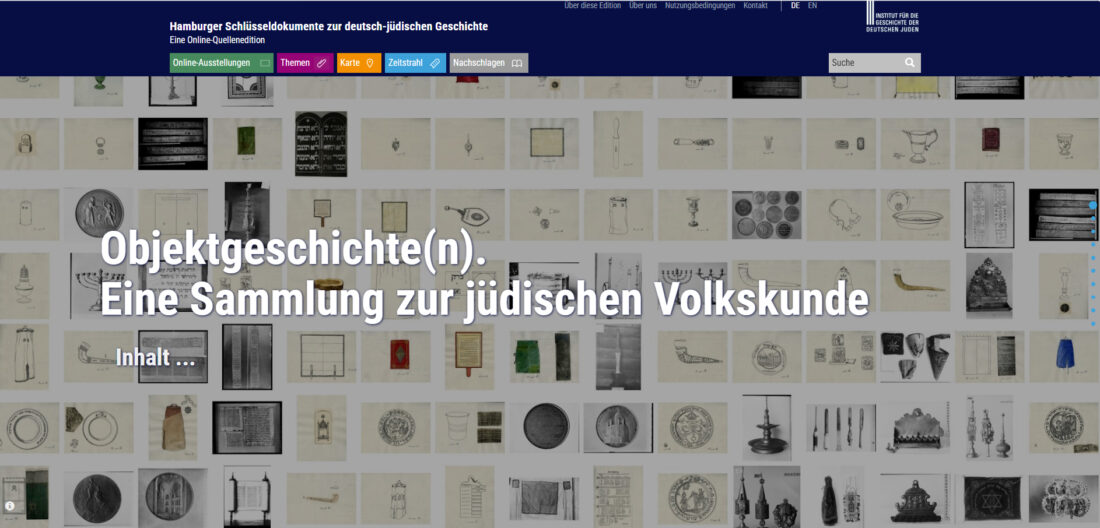
The Judaica suspected of being Nazi-looted property also include nine objects from the collection of the Society for Jewish Folklore, as well as parts of a collection of silver objects formerly owned by Jews. The objects from the Society for Jewish Folklore were transferred in 1991 from the Altonaer Museum to what was then the Museum of Ethnology. The reason for this transfer was that this collection had demonstrably been here at an earlier date: the collection, originally comprising over 400 objects, had been loaned to the Museum of Ethnology in 1913, a status it retained. In 1937, the collection was returned to the Society, after which all traces of it are lost. After 1945, however, the nine objects that exist today were part of the collections in Altona; yet there is as yet no evidence of when and under what conditions they came to be in the museum there. The history of this collection is now being told in an online exhibition on the Schlüsseldokumente platform in cooperation with the Institute for the History of German Jews.
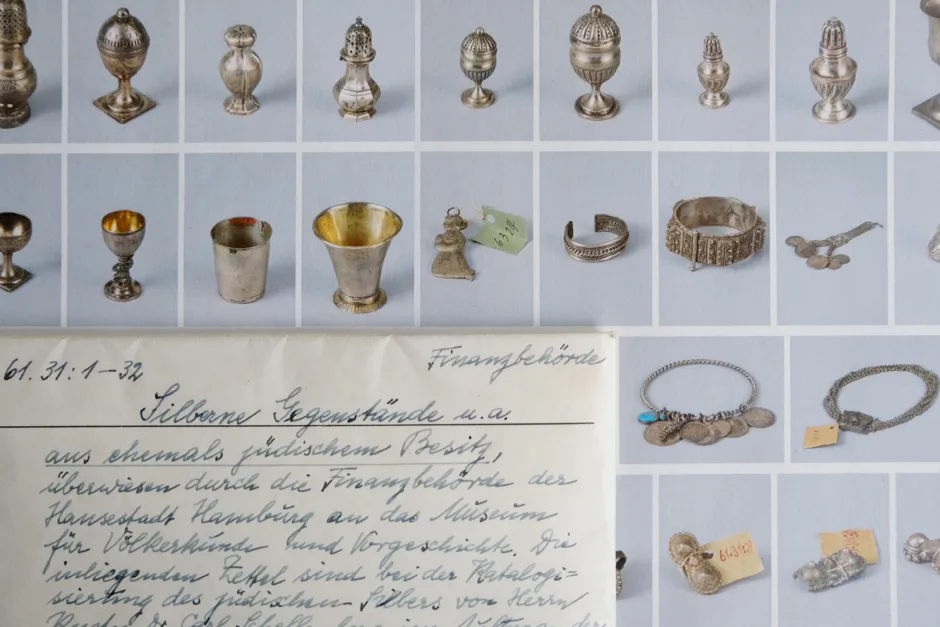
Furthermore, the MARKK holds silver objects formerly owned by Jews. These belong to the valuables forcibly expropriated by the German Reich, which Jewish citizens were compelled to sell in public pawnshops in 1939. Although originally intended for melting down, the City of Hamburg purchased a substantial stock of silver items confiscated in this manner from the German Reich in 1940 and distributed them among the city’s museum collections.
From 1945, on the instructions of the British Allied authorities, the objects were gathered together again and administered centrally by the city until 1959 with the aim of returning them to their owners. This task was entrusted to the Hamburg curator Carl Schellenberg (1898–1969), who had already been involved in an advisory capacity in the selection for purchase and in the allocation process as early as 1940. These holdings were kept in a vault in Hamburg City Hall. There, people searching for their property could view them together with Carl Schellenberg. In 1961, following a buy-out payment to the Jewish Trust Corporation, the remaining objects became the property of the City of Hamburg and were transferred in part to the Jewish community and again to the museums. The collection at the Museum am Rothenbaum comprises 44 of these objects, which are assigned to the European, West Asian and American departments.
For all the objects mentioned, provenance details such as stamps, monograms and inscriptions were documented, and the critical items were successively reported to the Lost Art database of the German Centre for Lost Cultural Property.
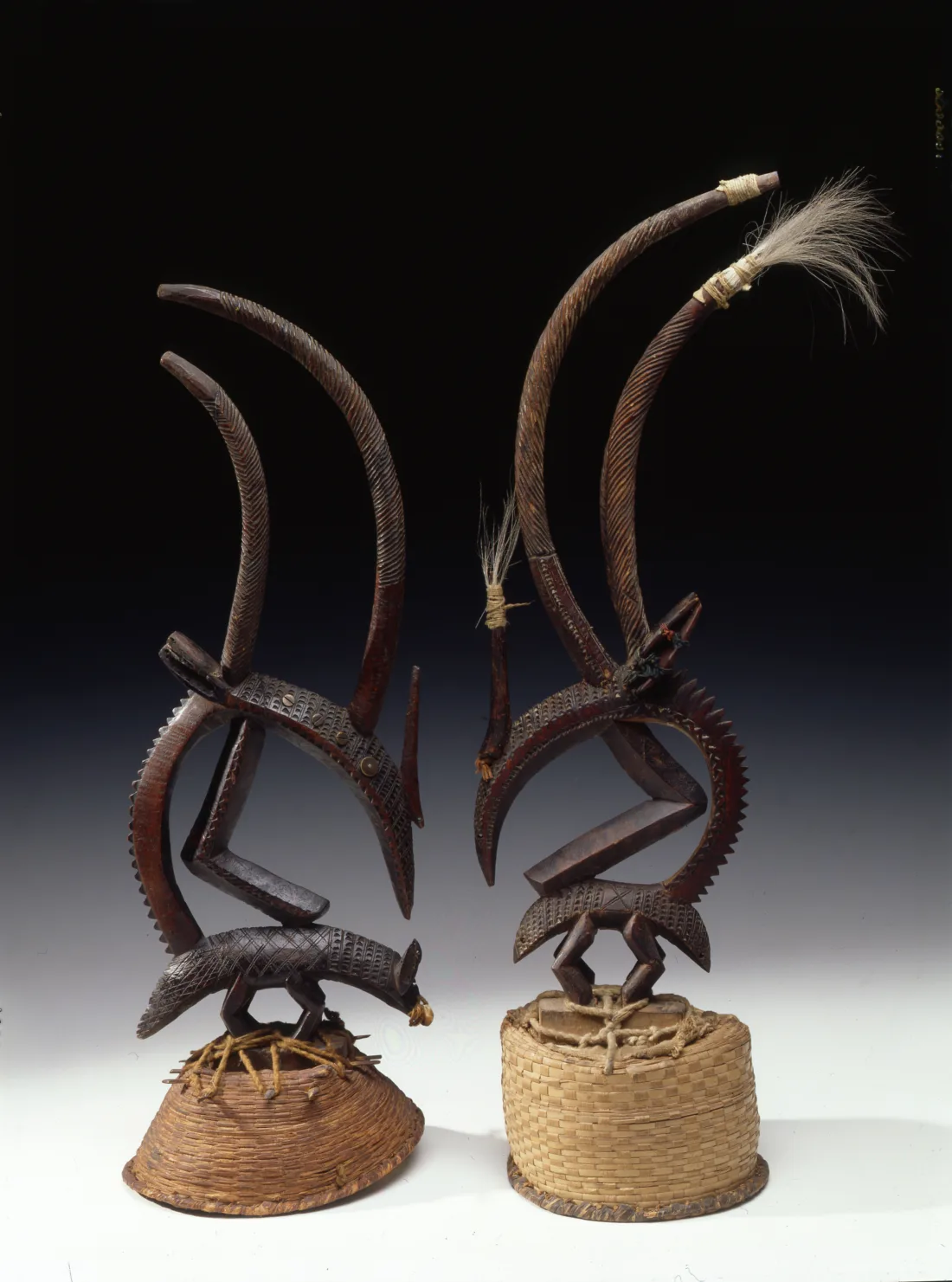
As both the objects from the Society for Jewish Folklore and the silver collections arrived at the Museum am Rothenbaum as transfers from public institutions after 1945, all holdings with this status were consequently systematically reviewed for their provenance between 1933 and 1945. These consist predominantly of ethnographic holdings from all regional collection areas and were transferred to the museum via museums, authorities, institutes or universities. Many of these do not raise concerns regarding the period from 1933 to 1945, whilst for others there remain gaps in provenance that cannot yet be clarified. Among the few items verifiably classified as problematic is a collection of Slovakian textiles, also transferred from the Altonaer Museum in the early 1970s. According to Altona’s documentation, this was a donation made in 1940 by the Cologne art dealer Elfriede Langeloh, who stated that the objects originated from the collections of the Hamburg resident Emma Budge. Emma Budge possessed an extensive, diverse and valuable collection of decorative arts and fine art, which she had built up together with her husband Henry Budge, who died in 1928. Both came from Jewish families. As a prominent patron, Emma Budge had bequeathed her collections to the City of Hamburg, but following 1933, she amended her will several times in response to the political situation. After her death, her collection was sold at auction in 1937 at the Berlin auction house Graupe / Lange for less than its value. Consequently, museum collections bearing the provenance ‘Emma and Henry Budge’ must always be regarded as potentially having been acquired unlawfully. Several objects have been identified by various institutions in recent years and returned to the community of heirs. However, the textile collection at the MARKK has not yet been attributed. As it cannot be ruled out that well-known names were used to enhance the value of collections on the market, there is a provenance gap here.
Other individual ethnographic collections had already been identified during the Centre’s regular collection processing prior to the project application and marked as suspicious. One of these cases was conclusively researched, classified and documented during the first year of the project:
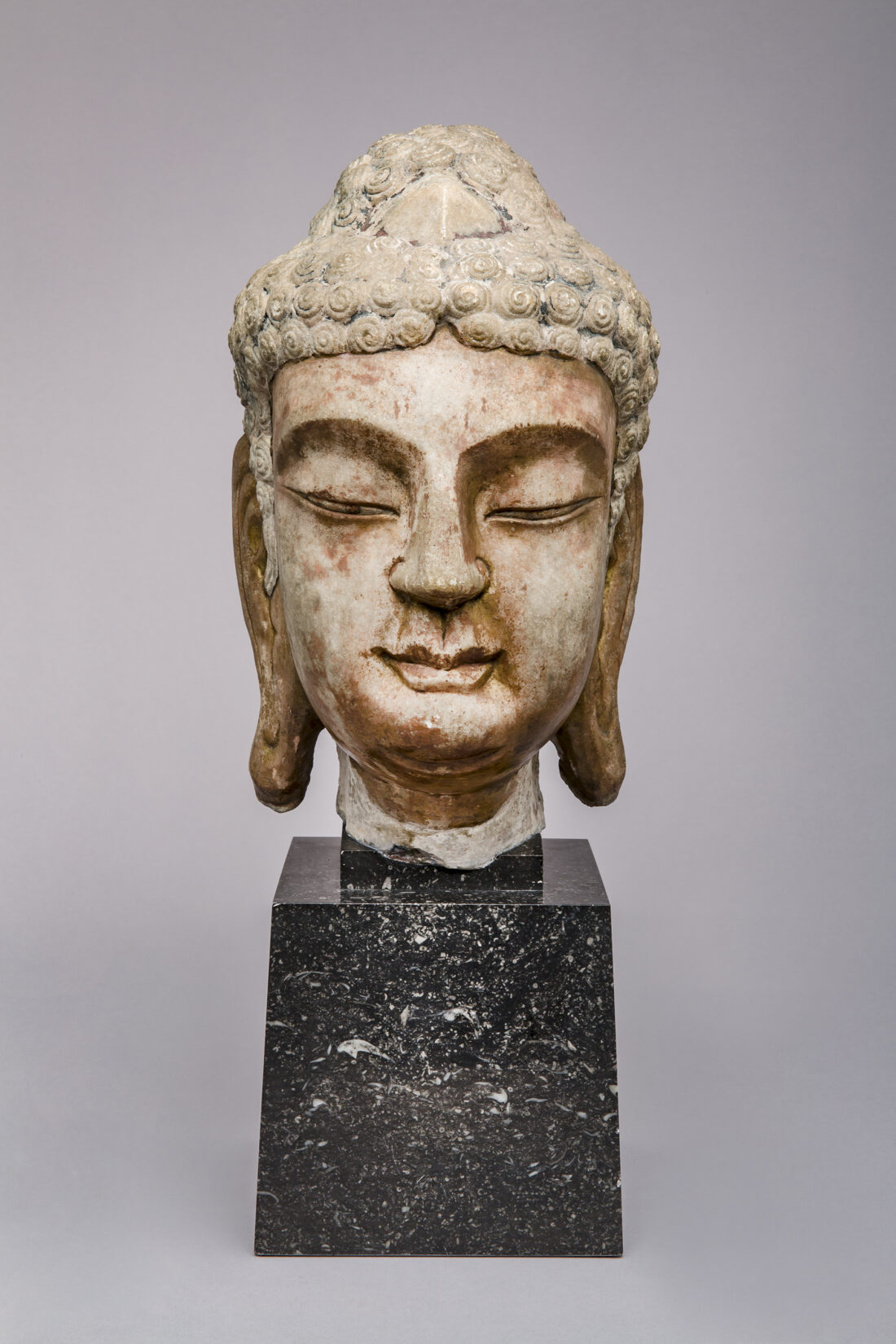
In 1941, the then Museum of Ethnology acquired, via an auction of the relocation goods of Johanna Ploschitzki (1887 Berlin – 1981 Santa Monica, CA, USA) – who, after emigrating and remarrying in the USA, became Hansi Share – which had been confiscated by the Gestapo in the Port of Hamburg, seven East Asian objects, amongst other items. In 1951, following a restitution process lasting several years and proving costly for Hansi Share, six of these objects and a collection of books were returned by the then Museum of Ethnology. The head of a Buddha sculpture (Inv. No. 41.36:1) from the collection of Hansi Share was not returned. The head remained in storage until autumn 2019, when exhibition curators at the MARKK became aware of the statue and its provenance history whilst inspecting objects for the exhibition ‘Steppes and Silk Roads’. Following restitution requests from the communities of heirs and a legal review by the competent authority for culture and media and the legal representatives, the head of a Buddha statue was officially restituted to the community of heirs on 10 June 2024.
For all the collections examined in this project, the initial focus was on structural classification and research into context and relevant archival holdings, beginning with the MARKK archive and the State Archive of the Free and Hanseatic City of Hamburg. Subsequently, the research was expanded as required by the nature of the collections, and in-depth research was carried out in further archives both within and outside Hamburg. As the project coincided with the Covid pandemic, on-site research was only possible to a limited extent; however, online research proved highly fruitful, particularly as the digital sector continued to grow in strength.
The results of the project will be presented on the museum’s own website, at events and as part of exhibitions and projects. There are also plans to make the collection holdings available online.
The research project was funded by the German Centre for Lost Cultural Property and will ultimately be integrated into the Proveana research database. The Washington Principles of 1998 form the basis for the funded provenance research on Nazi-looted art. The Federal Republic of Germany committed itself to their implementation, and thus also to the promotion of provenance research on Nazi-looted art in public collections, through the Joint Declaration of 1999.
Contact:
Jana C. Reimer
Provenance Research on Cultural Property Confiscated as a Result of Nazi Persecution
tel +49(0)40/428 879–551
email janacaroline.reimer@markk-hamburg.de
Project duration: 1 June 2021 to 31 May 2023
Funded by the German Centre for Lost Cultural Property