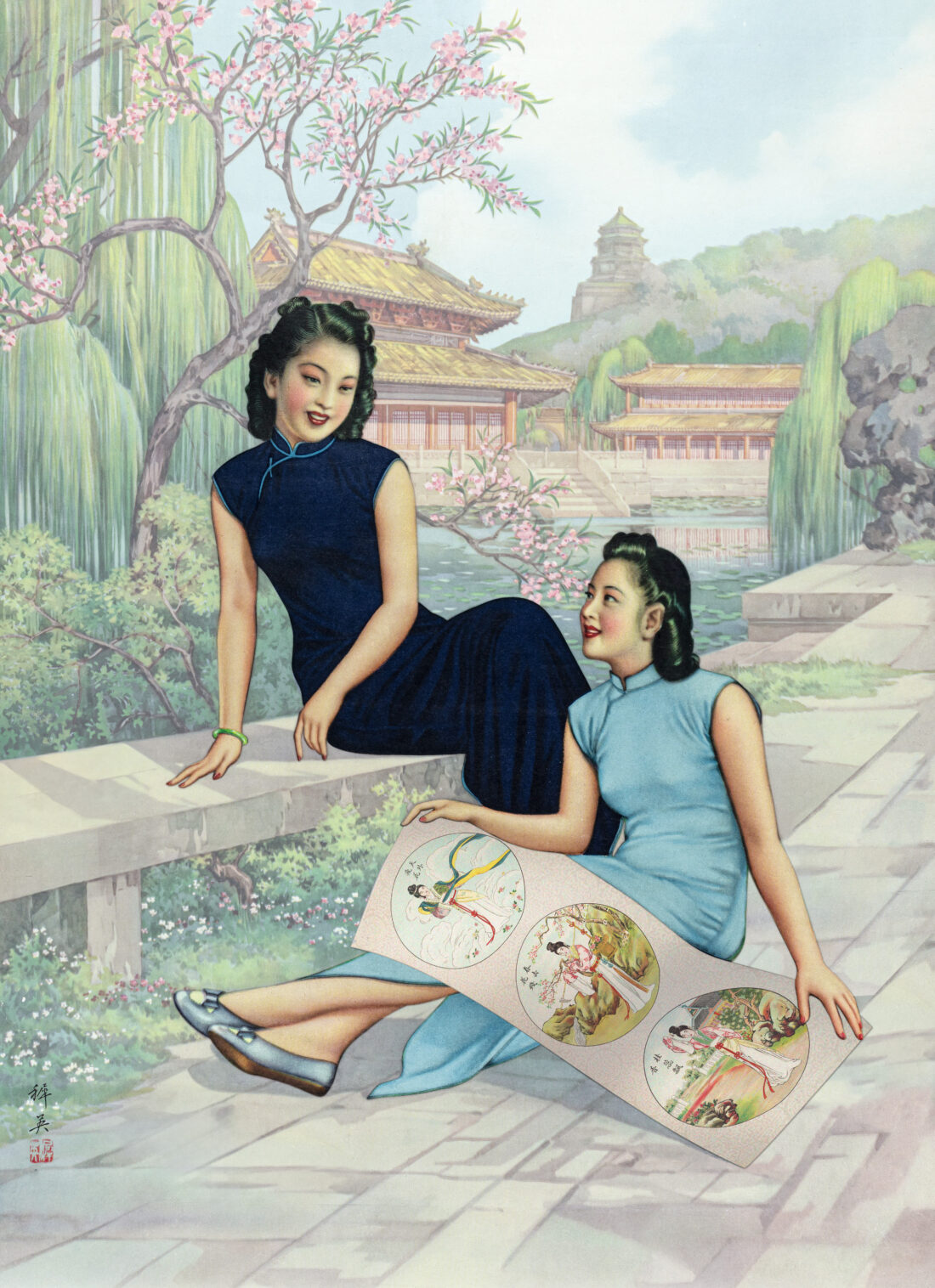
The exhibition invites visitors to explore a fascinating period of change. Following the fall of the empire in 1911, China underwent rapid transformation in the 1920s and 1930s, shaped by technological innovation and a flood of new images and media. Modern printing centres revolutionised production of print media, leaving a lasting impact on communication, culture, and commerce.
For the first time, the MARKK presents a selection from its globally unique collection of Chinese prints. Many of these works came to Hamburg between 1927 and 1932 as part of one of the earliest German-Chinese research collaborations.
This dynamic era saw the rise of new media, fashion trends, and visual forms of expression. A culture driven by innovation emerged, fueled by experimentation with printing techniques. It gave rise to a new visual language whose influence extended well beyond the art world.
Hot off the Press shows how mass production revolutionised art, communication, commerce, and the spirit of an entire generation. The exhibition also sheds light on the collection’s historical context: a remarkable chapter in transcultural museum history that continues to shape institutional practice today.
Funded by the Department of Culture and Media of the Free and Hanseatic City of Hamburg, the German Research Foundation and the Mara and Holger Cassens Foundation. In cooperation with the University of Freiburg.